
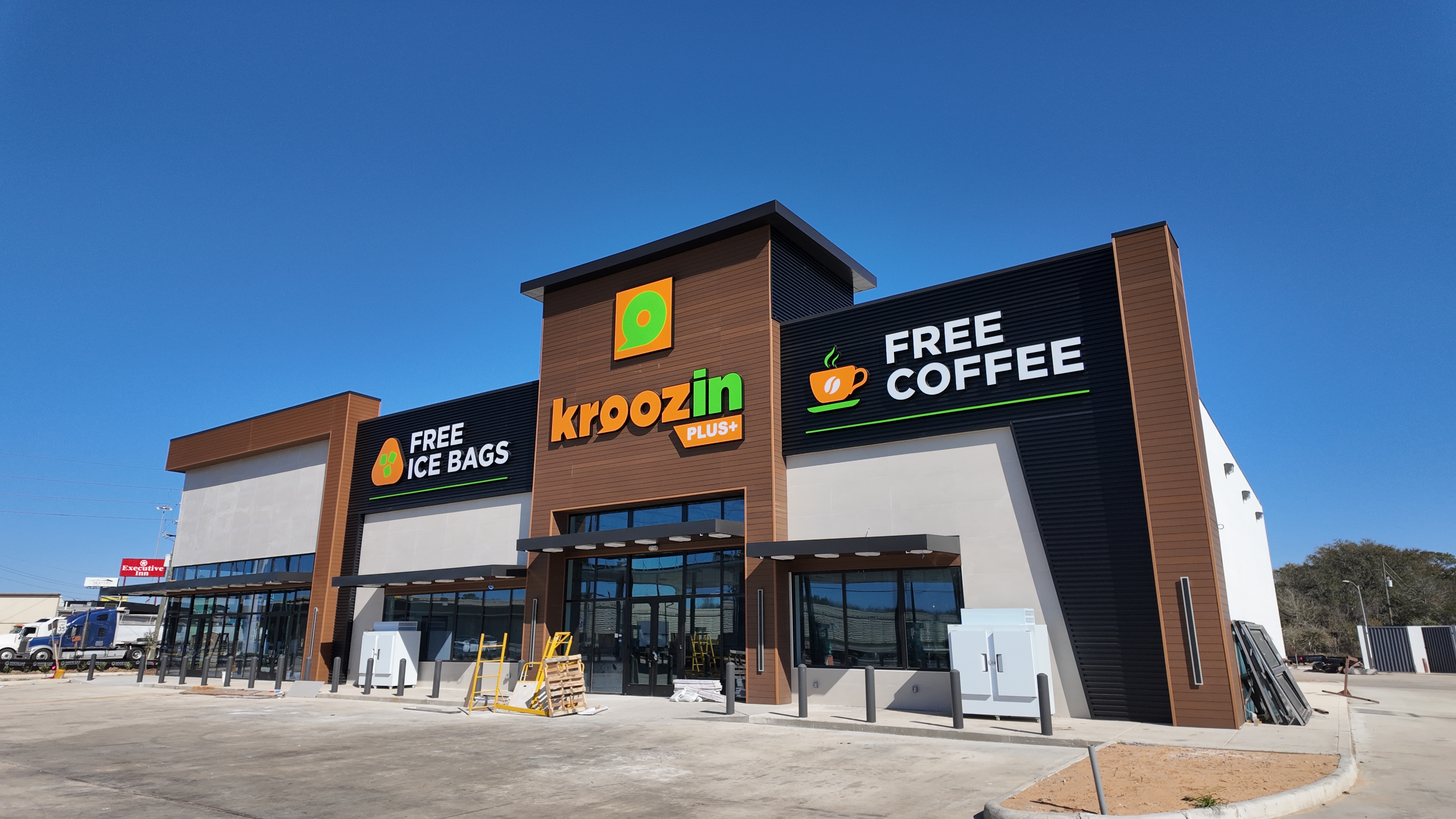
Commercial Signage & Interior Finishes in Houston, TX
Pylon signs, building signs and turn-key interiors — the visible scope, handled by the contractor who already knows the site.
Signage is the last scope on the schedule and the first thing a customer sees. It is also the one most likely to be forgotten until the building is nearly finished — at which point the sign permit has not been applied for, the foundation was never poured, and no conduit was run to where the pylon is going.
Handled by the contractor who built the site, none of that happens. The sign foundation goes in with the other foundations, the conduit is pulled with the site electrical, and the permit is filed alongside the rest.
The same division covers interior finishes, taking a shell from white-box to turn-key.
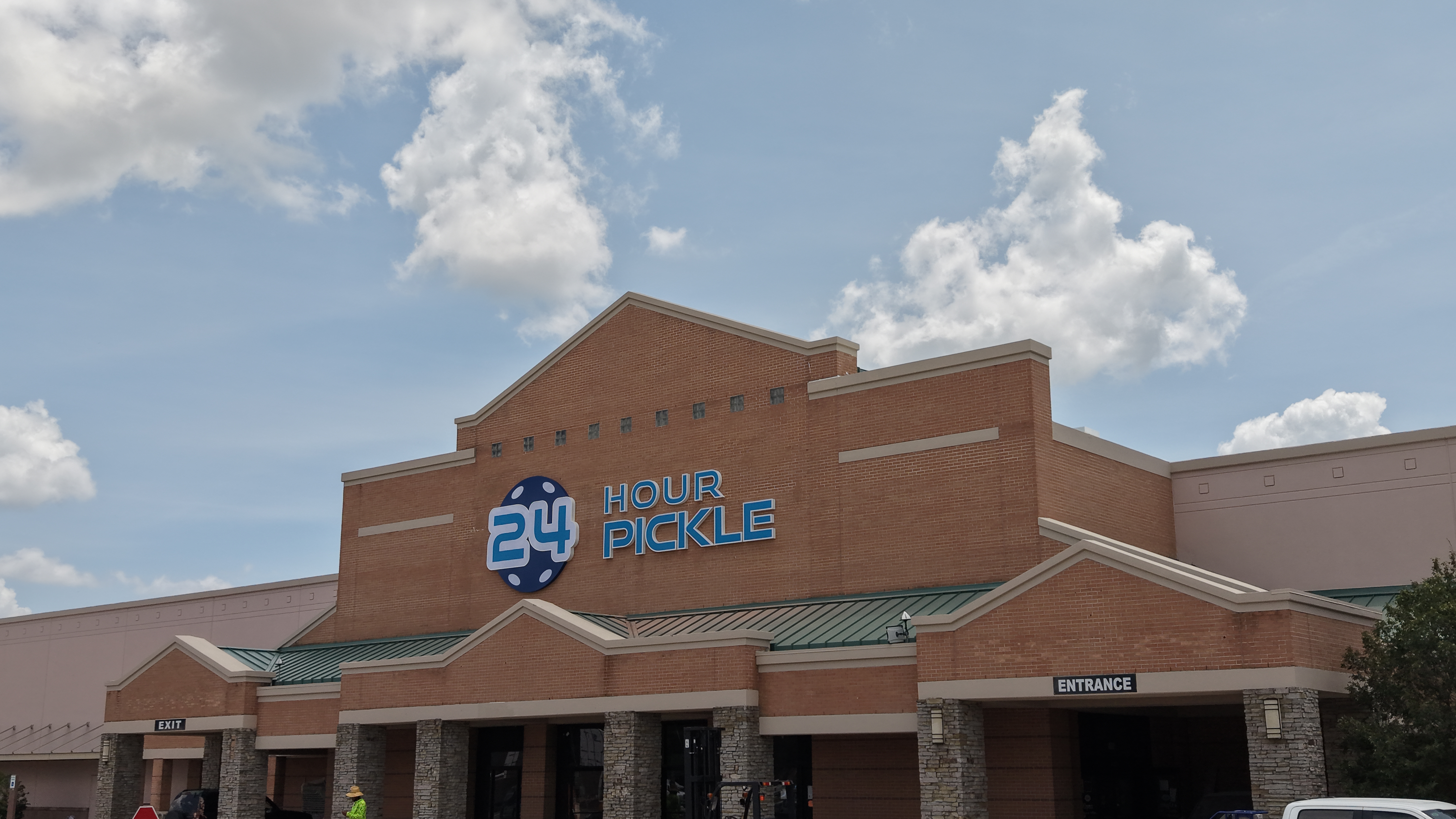
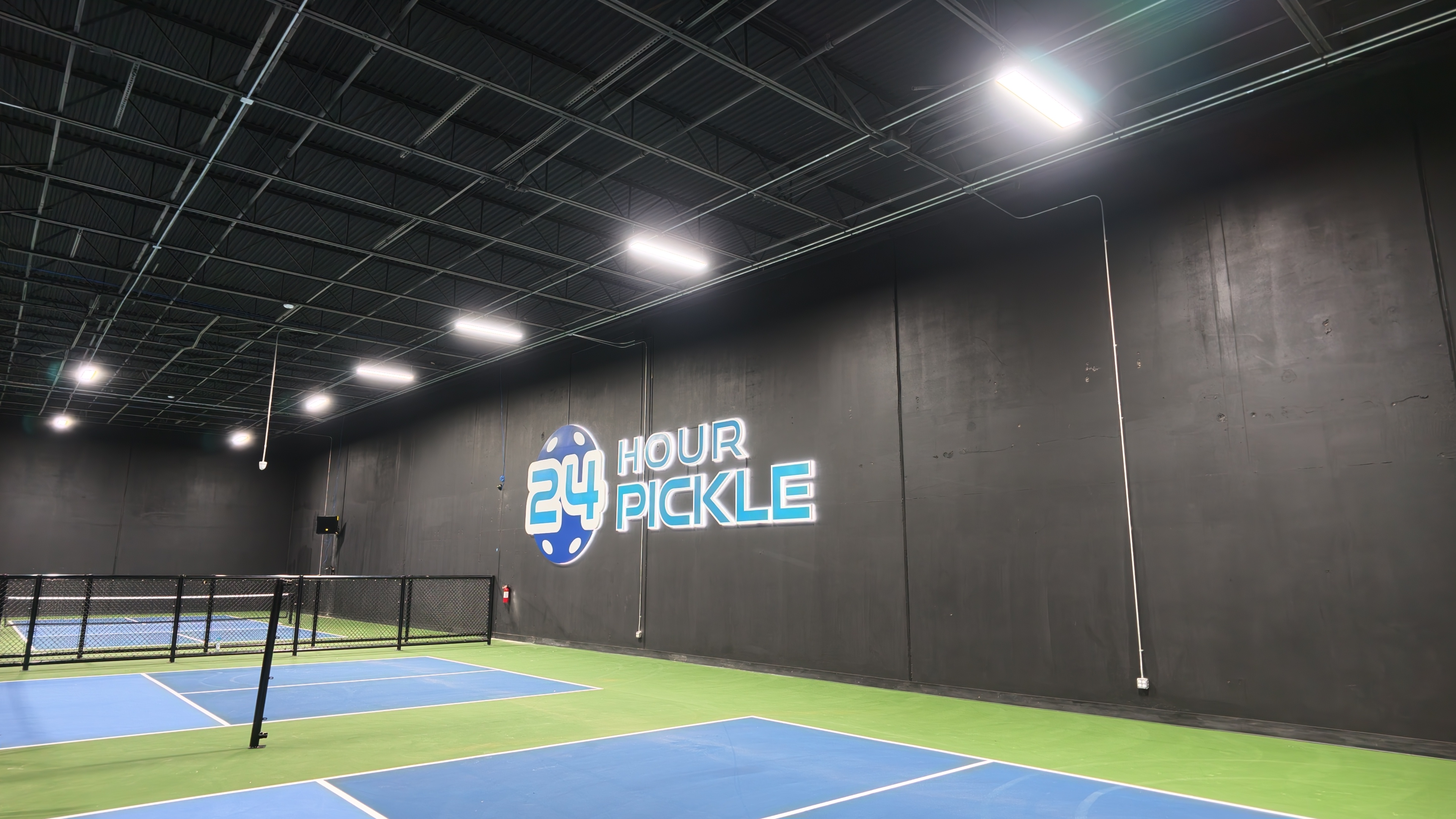
What's included
Signage
- Pylon and monument signs
- Building and channel-letter signage
- Illuminated and backlit systems
- Canopy and fuel-price signage
- Wayfinding and site signage
Sign delivery
- Sign permitting and variance support
- Foundations and structural support
- Electrical service and conduit
- Installation and commissioning
- Refacing and rebranding
Interior finishes
- Drywall, framing and ceilings
- Flooring and tile
- Storefront and glazing
- Millwork and FF&E
- Paint and final finishes
Sign permitting starts earlier than people think
Sign ordinances vary sharply across Greater Houston, and the constraints — height, area, setback, illumination, how many signs a frontage is allowed — are decided by the jurisdiction, not by what the brand standard says. A pylon that is standard in one city needs a variance in the next.
Because that review can take weeks and occasionally forces a redesign, sign permitting belongs near the front of the project rather than the end. Finding out at substantial completion that the approved height is ten feet lower than the fabricated sign is a genuinely bad day.
White-box to turn-key
Interior finish-out is where a project either lands cleanly or drags. The work is small in scale and large in count — dozens of trades touching the same rooms in a sequence that has to be right, with the punch list forming in real time.
Running finishes with the same site management that built the shell keeps that sequence intact, and means the punch list is worked by people who are already there rather than by subcontractors who have demobilised to their next job.
Our process
- Step 01
Survey & code review
Frontage, setbacks and the local sign ordinance reviewed against the brand standard before anything is fabricated.
- Step 02
Design & permit
Sign package designed to what the jurisdiction will actually approve, then permitted — early, because review takes time.
- Step 03
Foundation & conduit
Sign foundations and electrical run with the rest of the site work, not retrofitted afterwards.
- Step 04
Fabrication
Signs fabricated while the building is under construction, so installation is not on the critical path.
- Step 05
Interior finish-out
Framing, drywall, ceilings, flooring, storefront, millwork and paint, sequenced to a real turnover date.
- Step 06
Install & energise
Signage installed, connected and commissioned; final punch worked by the crew already on site.
Common questions
Do you handle sign permitting?
Yes, including variance support. It is worth starting early — sign ordinances differ significantly between jurisdictions across Greater Houston, and a pylon that is standard in one city can require a variance in the next.
Can you install signage on a building you did not construct?
Yes. Signage, refacing and rebranding are frequently contracted on their own, including across multiple locations.
What does white-box to turn-key mean?
White-box is a finished shell — walls, basic lighting, capped utilities — ready for a tenant to fit out. Turn-key means we take it the rest of the way: framing, ceilings, flooring, storefront, millwork, finishes and FF&E, so the space is ready to open.
Related services
Metal Buildings
PEMB warehouses, shops, canopies and clear-span structures — foundation through erection and finish-out.
MEP
Mechanical, electrical and plumbing — power, panels, HVAC, plumbing infrastructure and fuel dispensers.
Design-Build
One contract from concept to keys — civil engineering, permitting, estimating and value engineering under one roof.
Need signage & interiors in Houston?
Tell us about the project and we'll come back with a real scope and a real number.