
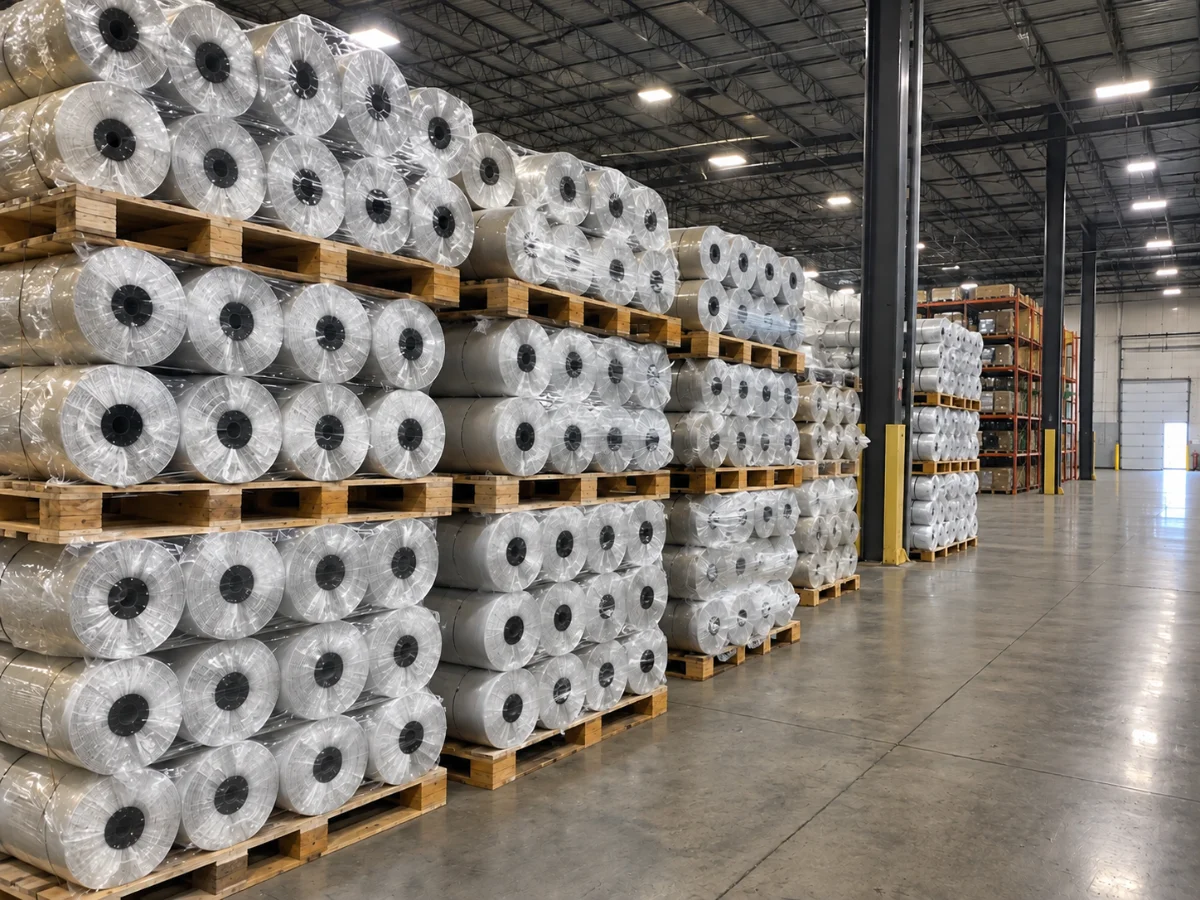
Commercial TPO Roofing in Houston, TX — Material in Stock, Crews Ready
White, heat-welded TPO roof systems for commercial buildings — with membrane already in our yard, so your roof starts when you are ready, not when a supplier is.
TPO — thermoplastic polyolefin — has become the most widely installed commercial roof membrane in the country, and Houston is a big reason why. A bright white TPO roof reflects much of the Gulf Coast sun that would otherwise bake the building below, its heat-welded seams are stronger than the membrane itself, and it goes on quickly over the large, low-slope roofs that warehouses, retail centers and metal buildings are built with.
We install TPO as part of a self-performing commercial contractor, not a stand-alone roofing shop. That matters when the roof is part of a bigger picture: a deck that needs repair first, a metal building that needs a retrofit, rooftop units that have to come off and go back on, or a new building where the roof has to dry in on schedule so the interior trades can start.
And we keep TPO membrane and accessories in stock. When material lead times stretch across the region, our roofs still start on the date we give you.
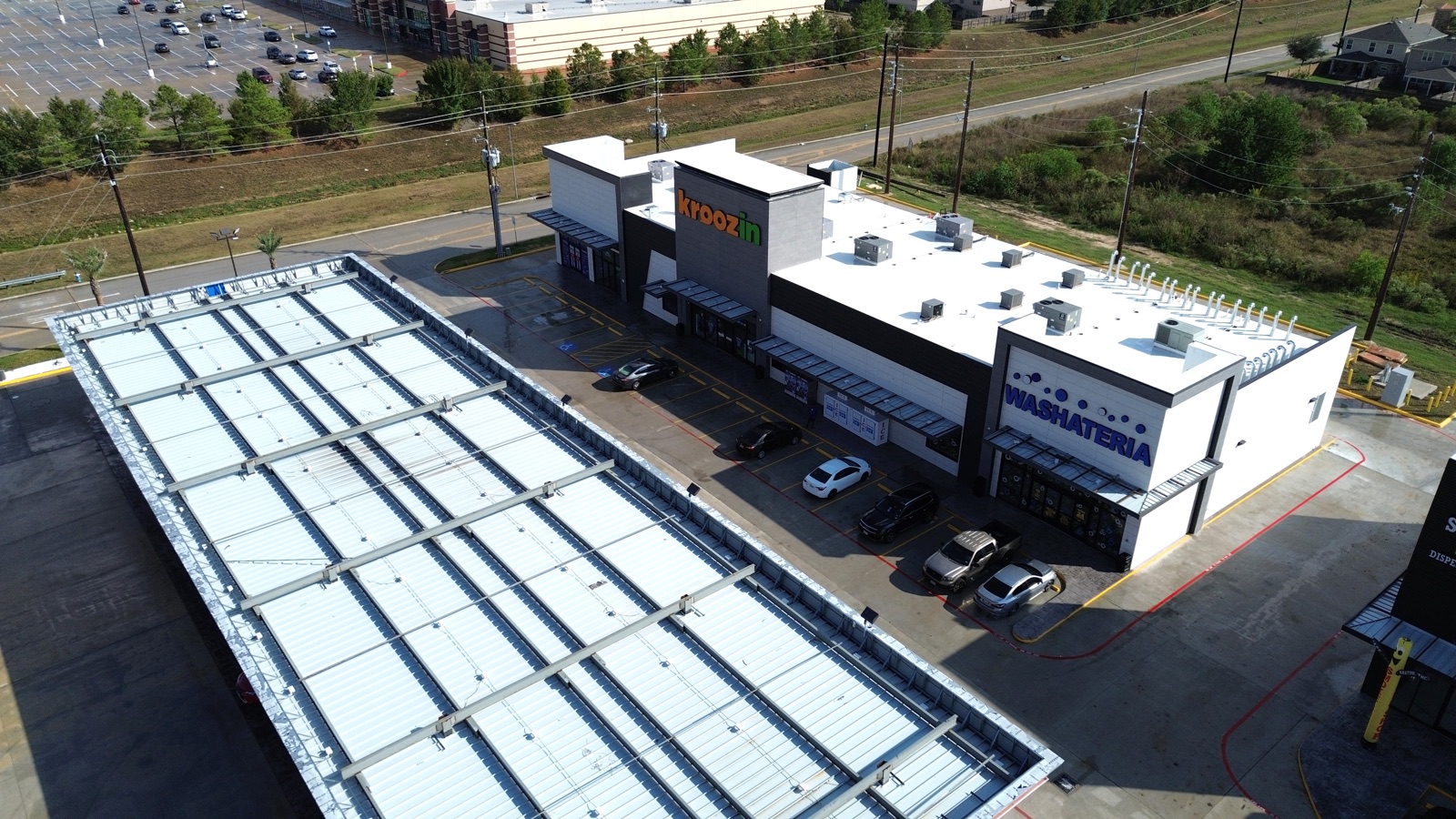
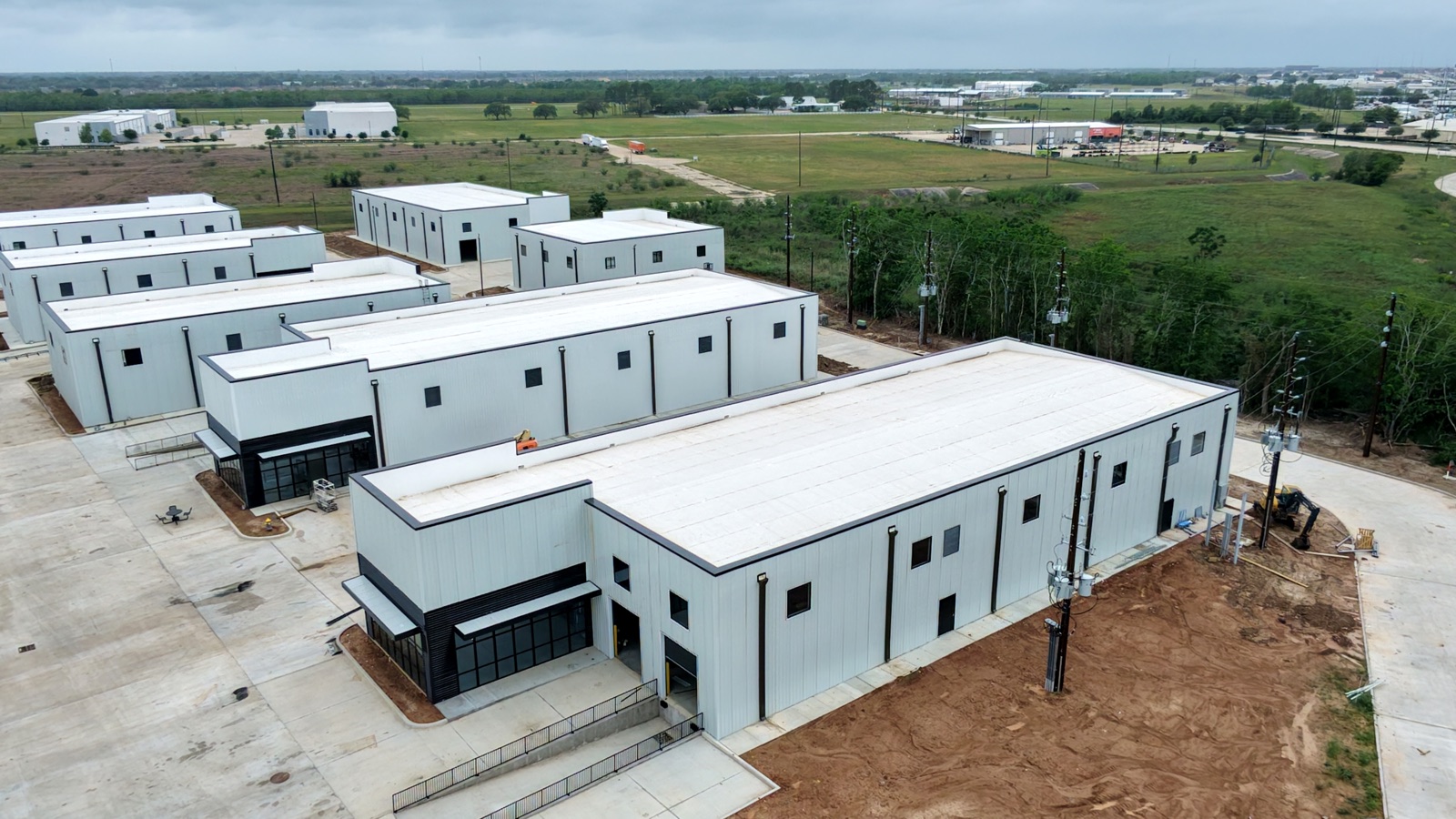
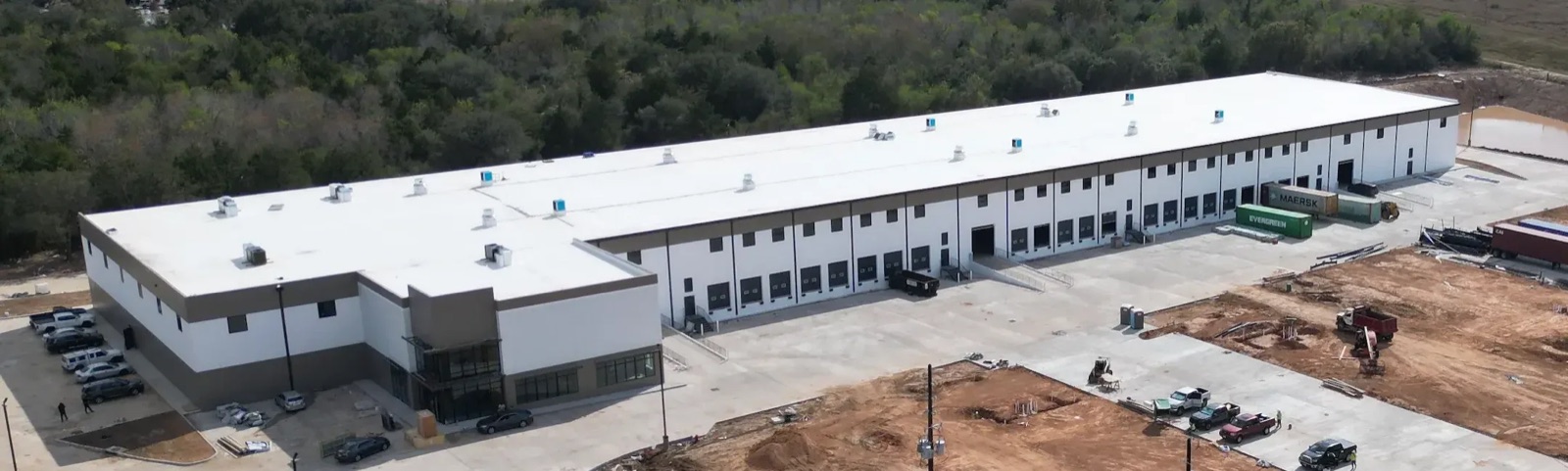
What's included
TPO roof systems
- New construction TPO roofs
- Tear-off and full roof replacement
- Re-cover over a sound existing roof
- TPO retrofit over metal roofs
- 45, 60 and 80 mil membranes
Roof assembly
- Polyiso and tapered insulation for drainage
- Cover board and deck repair
- Mechanically attached, fully adhered or induction welded
- Heat-welded seams and flashings
- Drains, scuppers, gutters and edge metal
Repairs & maintenance
- Leak investigation and repair
- Seam, flashing and penetration repairs
- Storm and wind damage repairs
- Walkway pads around rooftop equipment
- Scheduled inspections and maintenance
Buildings we roof
- Warehouses and distribution centers
- Retail centers and strip centers
- C-stores, fuel canopies and travel centers
- Pre-engineered metal buildings
- Tilt-wall, office and industrial buildings
Why TPO works on Houston roofs
Houston roofs face long, brutal summers, heavy rain and the occasional hurricane. White TPO handles the heat better than dark roof surfaces: it reflects a large share of the sun’s energy instead of absorbing it, which keeps the roof surface and the building below cooler and eases the load on rooftop air conditioning.
Its seams are welded with hot air rather than glued, fusing the sheets into one continuous membrane that holds up to standing water and heavy rain. And because TPO comes in wide rolls and installs quickly, large flat roofs can be dried in fast — which matters on a new building with interior trades waiting, and on an occupied building where the roof is open to the weather.
Material in stock means a faster start
On many roofing jobs the biggest delay is not the installation — it is waiting for membrane, insulation and accessories to arrive. When supply chains tighten, lead times can stretch for weeks, and a leaking building or a stalled new construction schedule waits with them.
We keep TPO membrane and accessories in stock and ready to go. Once the roof is scoped and permitted, we can mobilize on our schedule rather than a supplier’s, and a roof that has been leaking does not have to keep leaking while material is on order.
Replace, re-cover or retrofit?
Not every old roof needs to be torn off. When the existing roof and deck are dry and sound, a TPO re-cover can go directly over it with a cover board, saving the cost and disruption of a full tear-off. Building codes limit this, though: a roof that is water-soaked or deteriorated, or that already has two roof coverings, has to come off.
Metal buildings have their own option. A TPO retrofit fills the flutes of the metal panels with insulation, adds a cover board and finishes with a welded TPO membrane — ending the leaks at fasteners and laps that aging metal roofs are known for, and adding insulation at the same time. We assess the roof and tell you plainly which approach fits.
Code, wind and permits
A commercial re-roof in the City of Houston requires a roofing permit with plan review and inspection, and new and replacement roofs must meet the energy code’s insulation requirements — which is why tapered polyiso insulation is part of most of our roof assemblies, doing double duty for drainage and R-value.
Closer to the coast, windstorm rules apply. Buildings in Galveston, Brazoria and Chambers counties, and in parts of Harris County east of Highway 146, fall under the Texas Department of Insurance windstorm program, where roof work must be inspected for the building to stay eligible for windstorm insurance. We specify attachment methods and wind-rated assemblies to the building’s location and coordinate the required inspections.
Our process
- Step 01
Roof walk & assessment
Roof surveyed, existing layers and deck condition checked, leaks traced and photographed.
- Step 02
System & scope
Replacement, re-cover or retrofit recommended, with membrane thickness, insulation and attachment matched to the building.
- Step 03
Permit & schedule
Roofing permit and any windstorm inspections arranged; material already in stock, so the start date is ours to set.
- Step 04
Prep & insulation
Tear-off or preparation, deck repairs, then insulation, tapered drainage and cover board installed.
- Step 05
Membrane & details
TPO installed and seams heat-welded; flashings, drains, edge metal and walkway pads completed.
- Step 06
Inspect & hand over
Seams probed and the roof inspected; documentation and warranty information handed to the owner.
Common questions
How long does a TPO roof last?
A properly installed commercial TPO roof commonly lasts 20 years or more, depending on membrane thickness, installation quality and maintenance. Thicker membranes and regular inspections extend its life.
Can TPO go over my existing roof?
Often, yes. If the existing roof and deck are dry and sound, TPO can be installed as a re-cover over it with a cover board. Building codes do not allow a re-cover over a wet or deteriorated roof, or where two roof coverings already exist — in those cases the old roof comes off first.
Can you install TPO over a metal roof?
Yes. A TPO retrofit over a metal building roof fills the panel flutes with insulation, adds a cover board and finishes with a welded TPO membrane. It stops chronic fastener and seam leaks and adds insulation without removing the metal roof.
How soon can you start?
Because we keep TPO membrane and accessories in stock, we can usually start as soon as the roof is scoped and permitted, rather than waiting on supplier lead times. Contact us and we will give you a real start date.
What thickness of TPO should I use?
TPO is commonly installed in 45, 60 and 80 mil thicknesses. 60 mil is the most common choice for commercial roofs and a sensible minimum for most buildings; 80 mil adds durability for roofs with heavy foot traffic or long service-life goals.
Do you repair TPO roofs?
Yes. We repair leaks, seams, flashings and storm damage on existing TPO roofs, and set up scheduled inspections to catch problems before they reach the inside of the building.
Related services
Metal Buildings
PEMB warehouses, shops, canopies and clear-span structures — foundation through erection and finish-out.
Tilt-Wall Construction
Cast on site, lifted in days. Tilt-wall shells for warehouse, distribution and big-box commercial.
Design-Build
One contract from concept to keys — civil engineering, permitting, estimating and value engineering under one roof.
Need tpo roofing in Houston?
Tell us about the project and we'll come back with a real scope and a real number.